What to check before a Greek helicopter sightseeing flight
A helicopter sightseeing flight in Greece is shaped by weather, terrain, timing and the route you choose. The view can shift from a coastline to an island landscape in a short span, so preparation matters more than many travellers expect. A little careful checking before the flight helps you set realistic expectations and travel with the right mindset.
Start with the purpose of the flight. Some passengers want a broad overview of an ancient site or a city, while others care most about open water, cliffs or a scenic route that follows the shore. A helicopter sightseeing flight is usually short compared with a day tour, so the best experience comes from choosing what matters most rather than trying to see everything.
Weather and visibility
Visibility is one of the first things to check in the days before a flight. Greece can have bright sun, strong wind, haze or fast changes near the coast, and each affects what can be seen from the air. Clear light often makes the sea and land read sharply, while high wind may change plans even when the sky looks pleasant from the ground.
Ask what happens if conditions shift. A responsible operator will talk about weather in practical terms, such as wind, cloud, rain and visibility, rather than promising a perfect view. If a flight is delayed or rearranged, that is usually tied to safety and comfort, not a lack of organisation. Leave some flexibility in the day, especially if the flight is part of a wider trip.
Route and flight duration
Look closely at the route on offer. A route that follows a coastline may give repeated views of beaches, headlands and harbours, while an inland route may focus on mountains, valleys or historic landmarks. A longer route is not automatically better. If it spends too much time over areas that do not interest you, the flight can feel less focused.
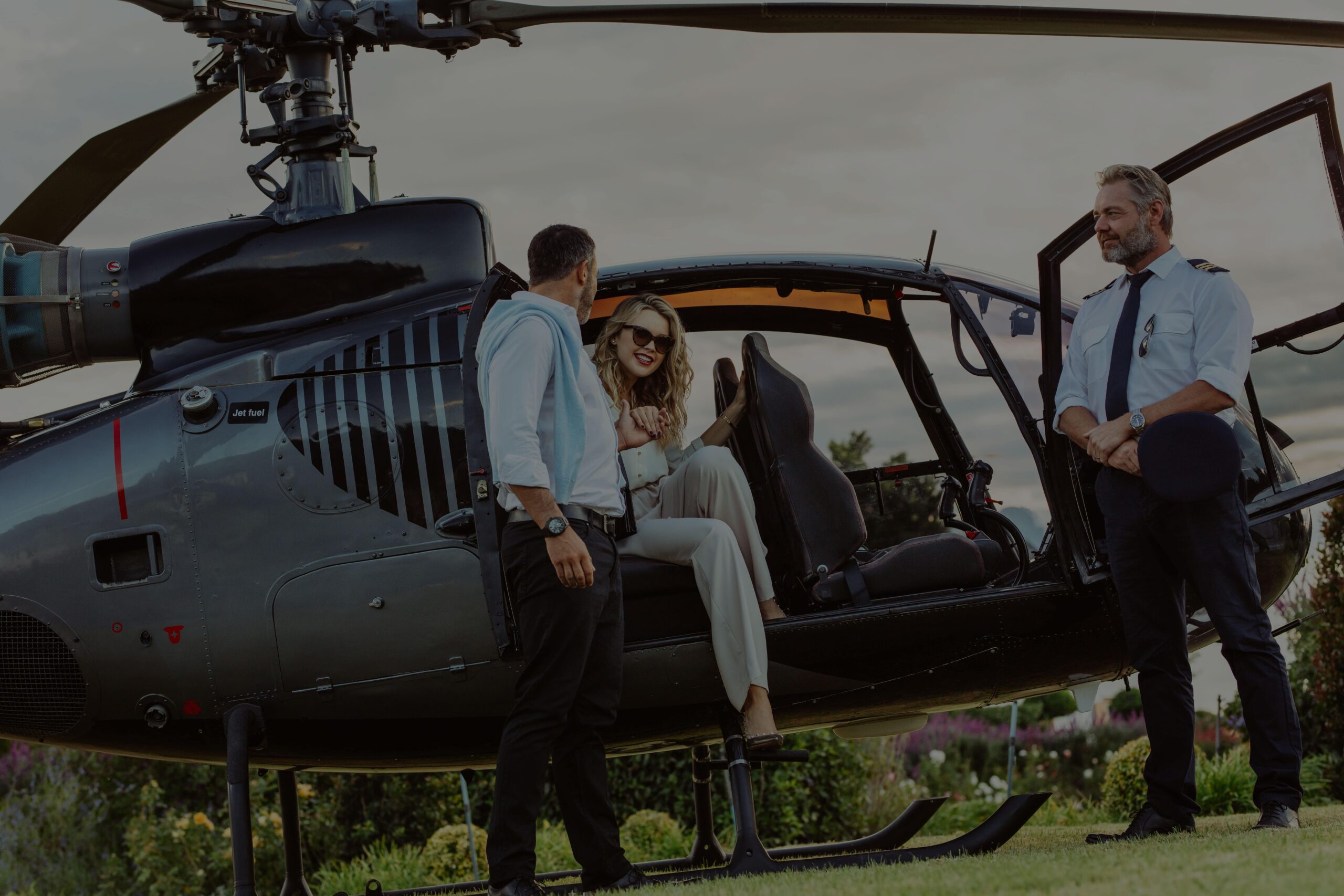
Flight duration should be read in context. Time in the air differs from the total time spent getting to the departure point, checking in, receiving a briefing and leaving afterwards. For a short helicopter sightseeing flight, those surrounding steps can take as long as the flight itself. Check the full plan so the outing fits the rest of your day.
What you will actually see
It helps to understand how aerial views work. From altitude, patterns become clearer: roads, coves, fields and ridgelines fit together in a way that is hard to see from street level. At the same time, small details disappear. A famous landmark may look impressive as part of a wider landscape, but it will not feel like a close-up visit.
Sunrise and sunset can change the character of a flight. Lower light can bring warm colour and long shadows, which suits photography and quiet scenery. It can also reduce contrast or place some viewpoints in shade. Midday light can be crisp over water, though it may feel harsh. The best time depends on the subject of the route and the kind of view you want.
Passenger capacity and seating
Check passenger capacity before you make plans around the flight. Aircraft vary, and seating position can affect the view. A seat by a window is generally better for looking out and taking photos, while a middle seat may feel more enclosed. If you are travelling with others, think about who most wants the clearer view and whether the seating arrangement suits the group.
Body size and comfort also deserve a practical check. Ask about seat dimensions or any limits if you are unsure, rather than assuming every aircraft is the same. A short flight can still feel awkward if space is tight. Mention mobility needs in advance, since boarding and leaving a helicopter can involve steps, uneven ground or a lower doorway.
Booking details worth confirming
- Departure point. Confirm where the flight begins and how early you should arrive, since a remote meeting point can add travel time.
- Included route. Ask which areas are part of the planned flight and which are only visible depending on conditions.
- Photography rules. Check whether there are any restrictions on cameras, phones or professional equipment before the day.
- Cancellation terms. Read the terms for weather changes, late arrival and other common travel disruptions.
- Identification and baggage. Confirm what documents to bring and what smaller bags can be carried, as space is usually limited.
The level of detail in a booking conversation can tell you a lot. Superior Air provides helicopter charter, sightseeing and aerial filming flights in Greece alongside airplane and helicopter pilot training, so the subject sits within a wider aviation setting rather than a simple sightseeing ticket. That context makes clear questions about route, timing and aircraft suitability all the more sensible.
Safety and briefings
Listen carefully to the safety briefing, even if the flight is short. It covers practical matters such as fastening seat belts, handling doors, keeping loose items secure and what to do in an unusual situation. These details may feel routine, but they help passengers relax because they know what is expected.
Wear comfortable clothing and secure long hair, loose scarves or anything that might flap in a breeze. Sunglasses can help with glare over water, and a light layer may be useful because conditions at altitude can differ from the ground. Avoid carrying items that could slide around during take-off or landing. Phones and cameras should be held securely or kept close in a small bag.
Questions that clarify the experience
Before the day, it is worth asking a few focused questions. What is the view like from each seat? Does the route change if wind or visibility is poor? How much time is spent over the main sights? Is there a chance to pause for photos, or is the flight continuous? The answers help you judge whether the flight matches your idea of a helicopter sightseeing flight.
It is also useful to ask how the flight handles delay. If weather moves in, does the booking shift to another time, or is another route suggested? Clear answers reduce confusion later. For a trip built around a special occasion, that clarity matters as much as the view itself.
Choosing the right style of flight
Not every flight suits every traveller. A first-time visitor may prefer a broad route that gives orientation, such as a city, harbour or nearby island landscape seen from above. Someone returning to the same area may want a different angle, perhaps following a coastline at a quieter time of day. Aerial filming flights have a different purpose again, with attention on stable camera work and the needs of the shoot.
Think about motion as well as scenery. Helicopters can hover, turn and move in ways that feel different from fixed-wing travel. Passengers who are sensitive to movement may want a shorter route with gentle turns. Those who enjoy a dynamic view may prefer a route with more variety. Neither choice is better in general, the right fit depends on comfort and interest.
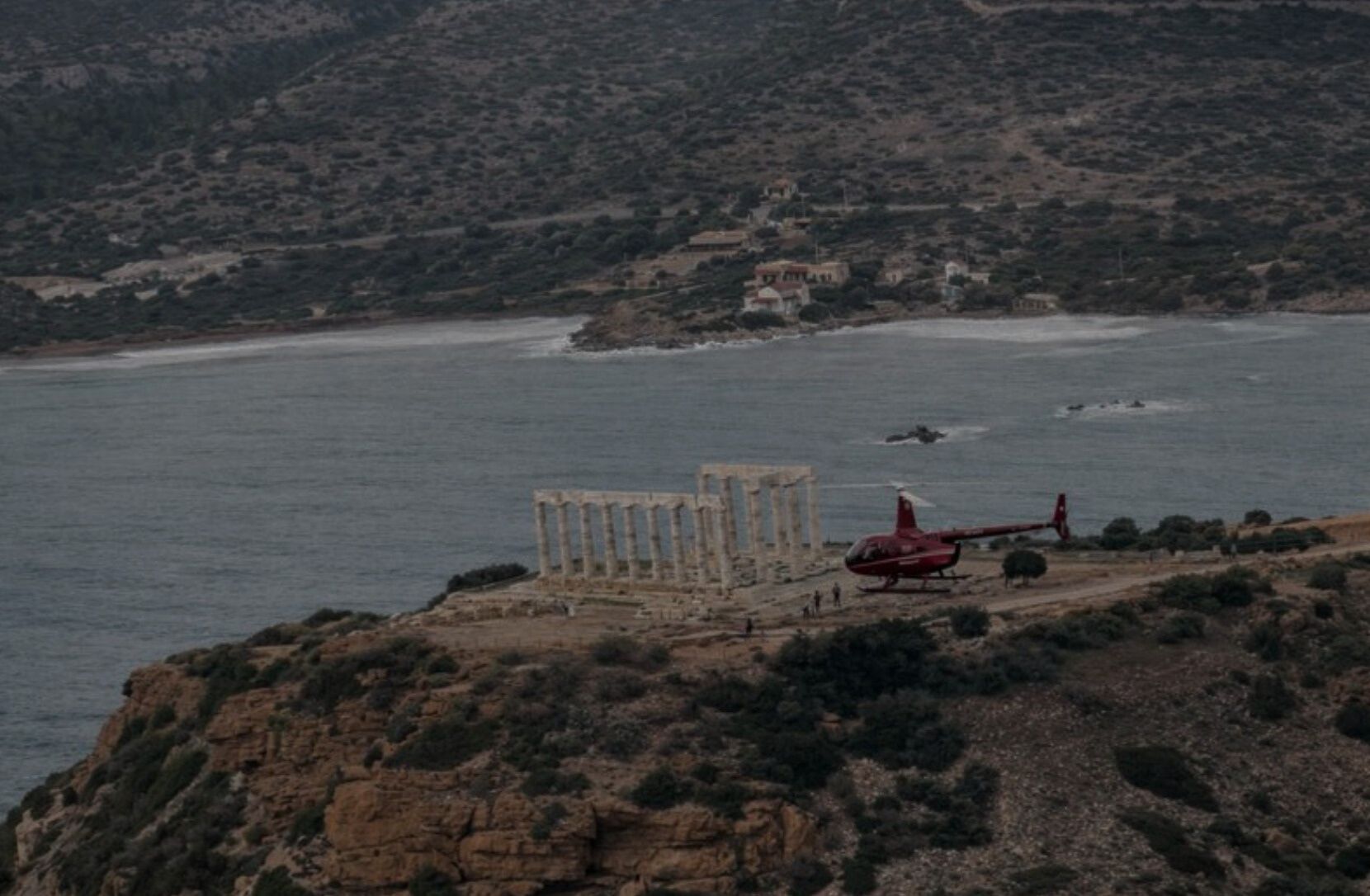
Superior Air is also associated with airplane and helicopter pilot training, which places the wider activity in a professional aviation context. For a passenger, the useful takeaway is simple: treat the flight as an aviation experience, not just a scenic ride. Prepared passengers tend to enjoy the details more, from the briefing to the changing view below.
Final checks before you go
On the morning of the flight, check the weather again and confirm the departure time if plans may be affected. Eat and drink enough to feel comfortable, but avoid arriving with a heavy meal. Bring only what you need, keep valuables secure and leave extra time for the check-in process. If you are unsure about any instruction, ask before boarding rather than during a busy moment.
A good helicopter sightseeing flight is not only about a famous view. It is about matching the route to your interests, understanding the limits of the day and arriving ready to pay attention. When those pieces line up, the short time in the air can feel surprisingly rich, whether the landscape below is a coastline, a historic site or an island landscape that only makes full sense from above.
Ends · THEFLIGHTNOTEBOOK